

The 7th Finance & Economics Development Forum Held in Shanghai, Focusing on “Financial Security of Basic Public Services”
On December 2, 2023, the “7th Finance & Economics Development Forum” organized by the China Institute of Public Finance, Shanghai University of Finance and Economics, and co-organized by the School of Public Economics and Administration of Shanghai University of Finance and Economics and Shanghai Hongyi Management Consulting Center (Limited Partnership) was held in Shanghai. Experts and scholars from colleges, universities, scientific research institutes, National People’s Congress and government agencies attended this forum. The theme of this forum was “Financial Security of Basic Public Services”, which was to offer advices and suggestions for enhancing the key financial guarantee capacity, implementing proactive fiscal policy, and promoting basic public services. There were two subtopics at this forum, namely the financial security of health care and financial security of culture & education.
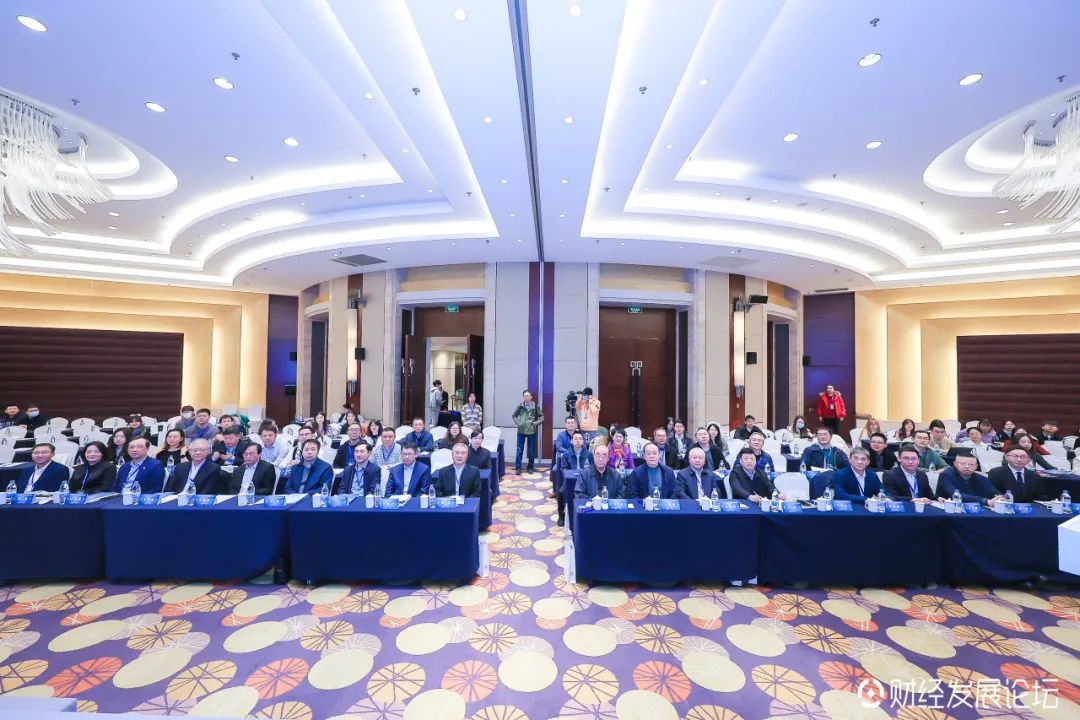
The forum in the morning was hosted by Executive Director Liu Xiaochuan of the China Institute of Public Finance, Shanghai University of Finance and Economics. He Pengcheng, the Deputy Secretary of the Party Committee and Secretary of the Discipline Inspection Commission of Shanghai University of Finance and Economics, and Chief Editor Ding Ding of the People’s Daily Publishing House made speeches respectively. He Pengcheng expressed his warm welcome and gratitude to the various experts and scholars for coming to Shanghai University of Finance and Economics, he hoped that this forum could concentrate the power of the experts, scholars and government agencies, and offer advices and suggestions to improve the fiscal system of our country. Ding Ding indicated that the well being of the people has always been the starting point of reports by the People’s Daily, the theme about equalization of public services is of great significance, since it will help realizing equitable distribution, the People’s Daily has also been paying attention to this topic for long time. In the future, the People’s Daily will continue to have in-depth cooperation with colleges, universities, scientific research institutes and competent government agencies in order to provide better services.
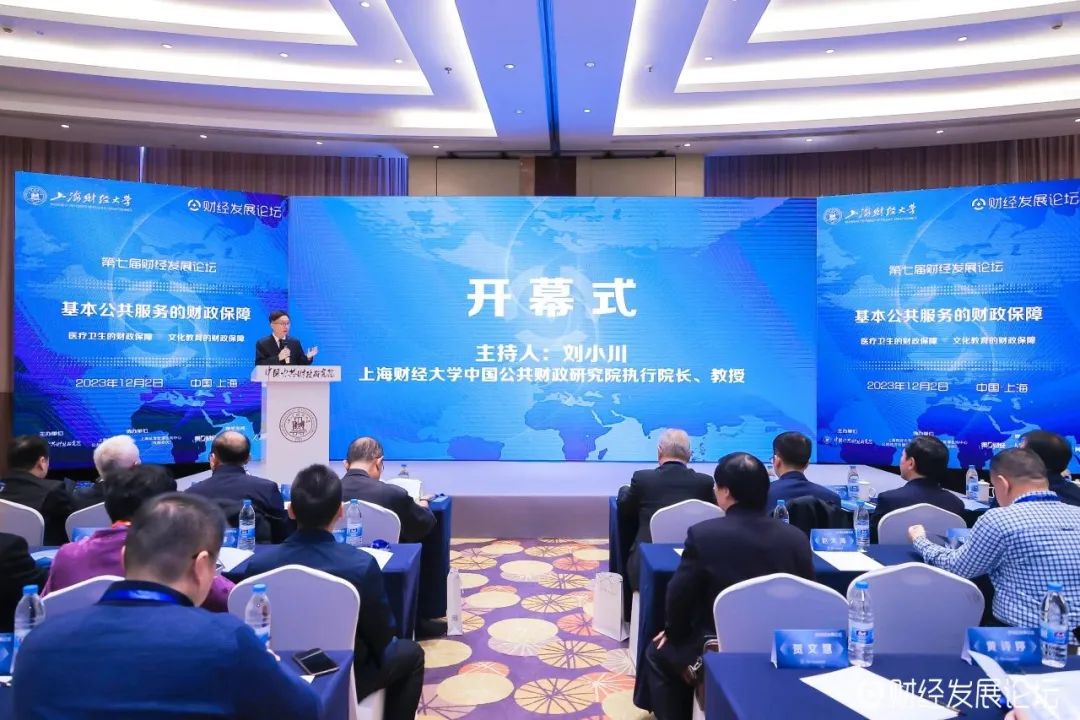
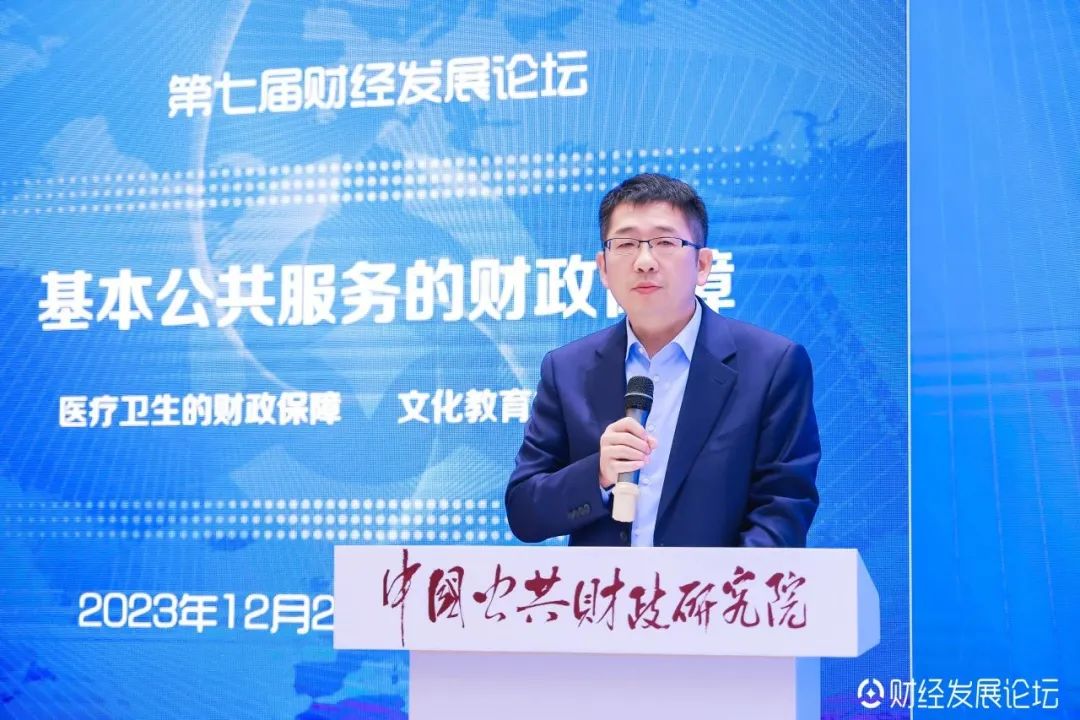
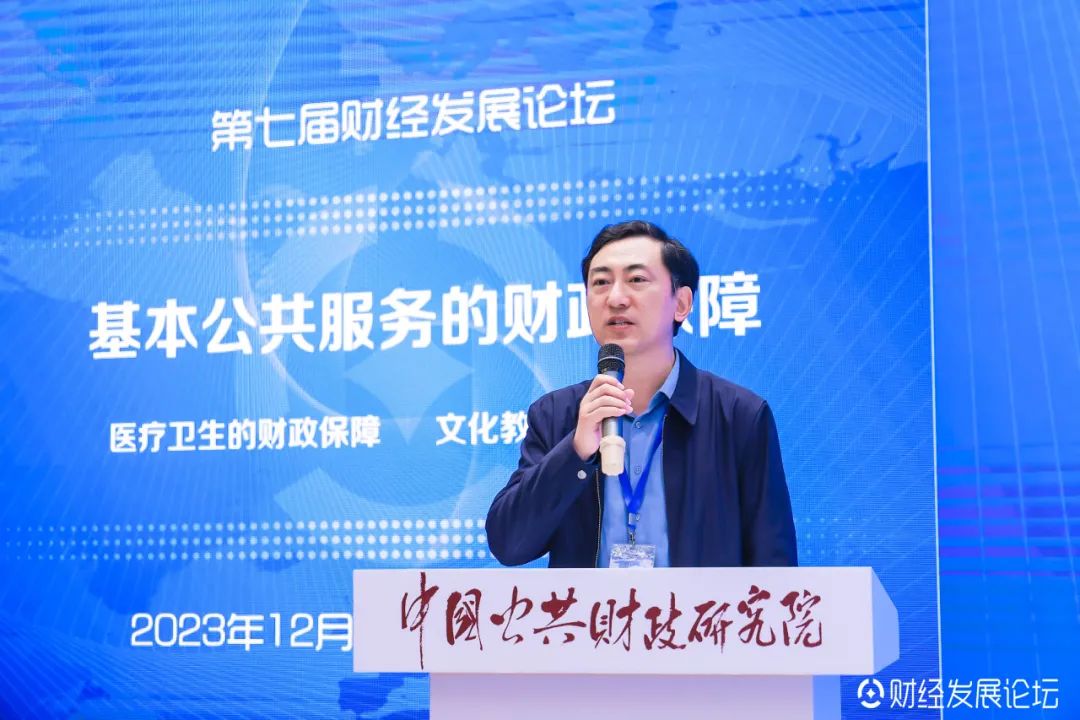
After the brief opening ceremony, the forum entered the keynote speech process in the morning.
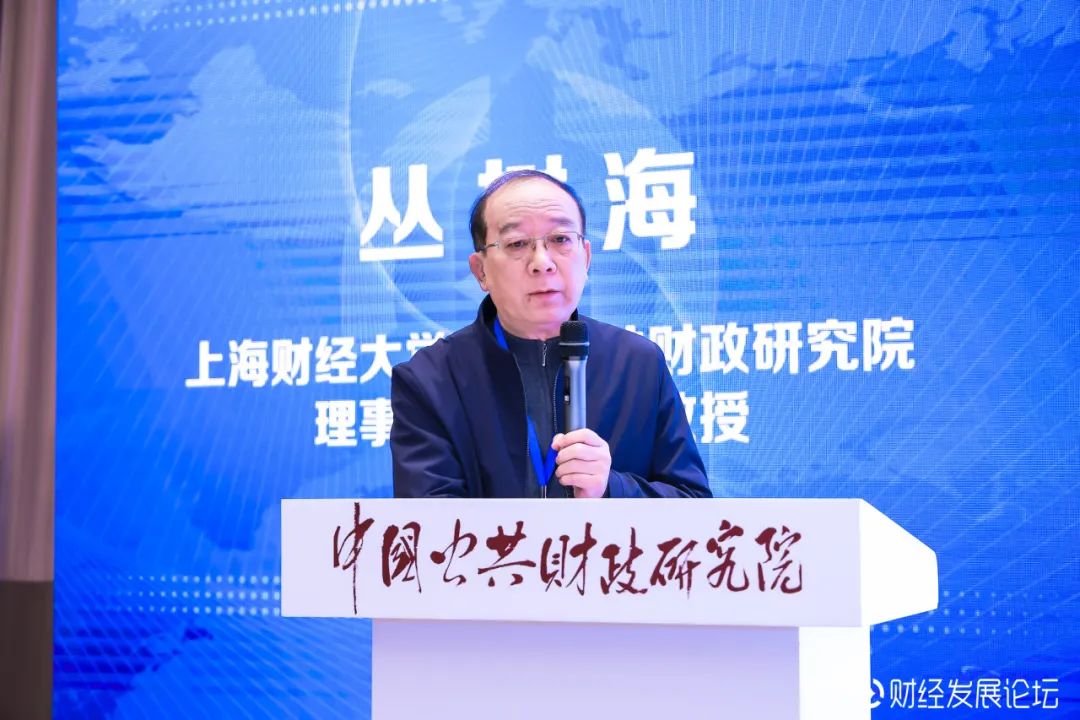
Professor Cong Shuhai, Chairman of the Council of the China Institute of Public Finance at Shanghai University of Finance and Economics, made a keynote speech entitled “Financial Transfer Payments for Assistance of Equalization of Basic Public Services”. Professor Cong firstly pointed out that enhancing the equalization level of public services can effectively reduce income inequality, so it’s of great significance, an important guarantee of enhancing public services is financial transfer payments. The financial transfer payments in China have continuously expanded in scale, which has promoted the equalization of basic public services, guaranteed and improved people’s livelihood, however, there are still problems such as unreasonable structure, too many general items and categories, etc. In the future, we should start from several aspects including promoting the legislation of financial transfer payments, further stressing the fiscal management system of “Graded Management”, proper increase of specialized financial transfer payments, etc., so as to better improve China’s financial transfer payments system, and more effectively assist in the equalization of basic public services.
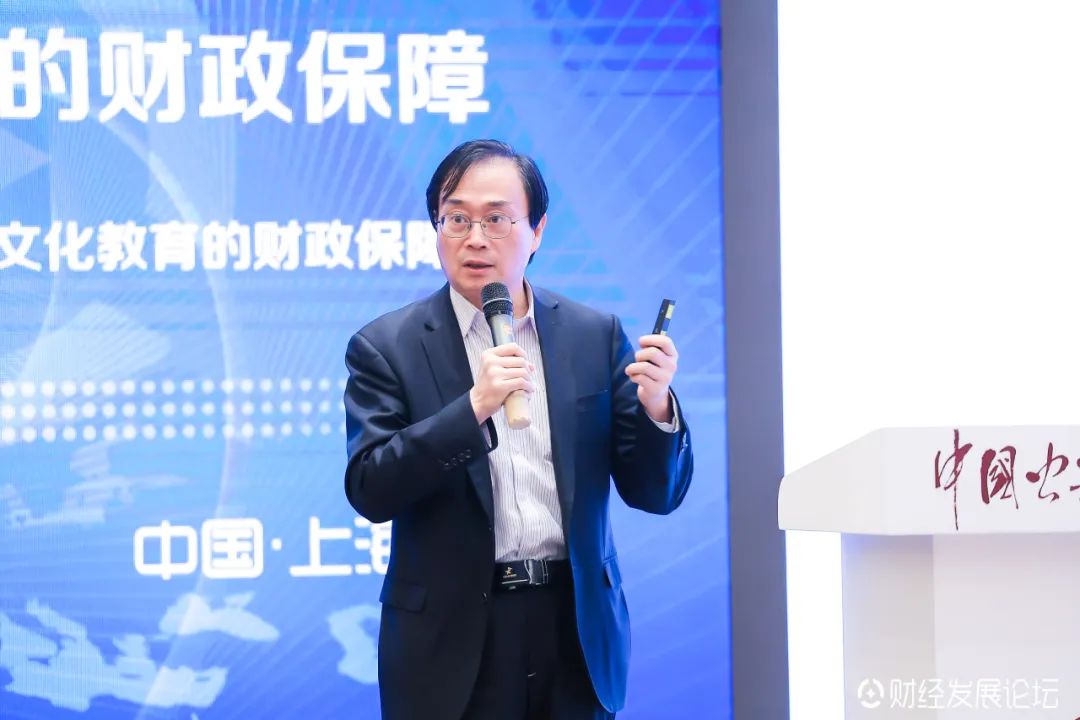
Professor Jin Weigang, Deputy Director of the National Institutional Research Institute of Zhejiang University of Finance and Economics, made a keynote speech entitled “The Investment Responsibility and Mechanism of Medical Security”. Professor Jin firstly stressed the responsibility of public finance in medical security, basic medical insurance differs from commercial insurance and needs the government finance to provide safety net, which reflects the importance of public finance. The government finance in China has provided energetic support to the medical security field, however, China’s medical security still faces problems such as the obvious decrease of participants in basic medical insurance, lack of fiscal investment in the fundraising of the long-term care pilot regions, insufficient fiscal investment to medical assistance, insufficient subsidy to major and serious diseases, etc. Professor Jin indicated that in the future, we shall continue to improve the fiscal investment mechanism to medical security from the aspects of implementing separation between revenue and expenditure in public medical institutions, increasing the degree of subsidy to basic medical insurance, increasing the degree of fiscal investment to medical assistance, etc.
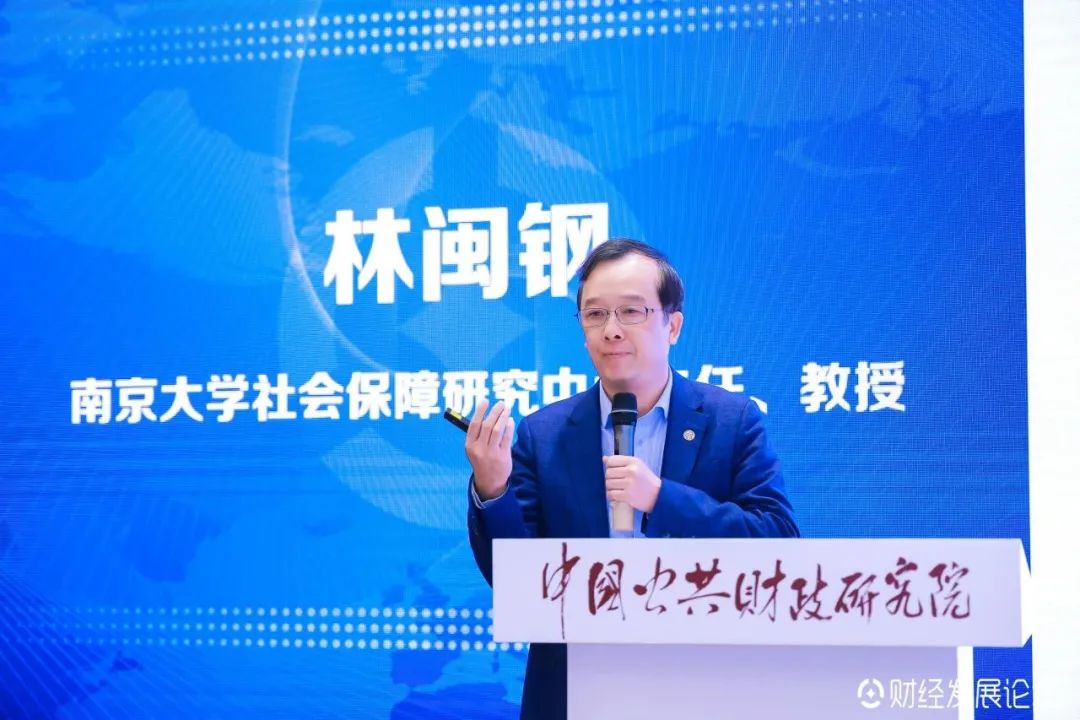
Professor Lin Mingang, Director of the Social Security Research Center of Nanjing University, made a keynote speech entitled “Investigation on Social Expenditure, Social Investment and Chinese Development Paths”. Professor Lin proposed the analytical framework of social expenditure and social investment based on his own research recently, and further compared and analyzed the difference between the social investment path of social democracy and the social investment path of liberalism, and reviewed China’s social investment path from comparison perspective. Based on the analysis and comparison, Professor Lin proposed policy suggestions such as adhering to the overall view of virtuous circle between economic development and improvement of people’s livelihood, making breakthroughs in the direction of proactive social policies, and walking on the path of society serving the country, etc.
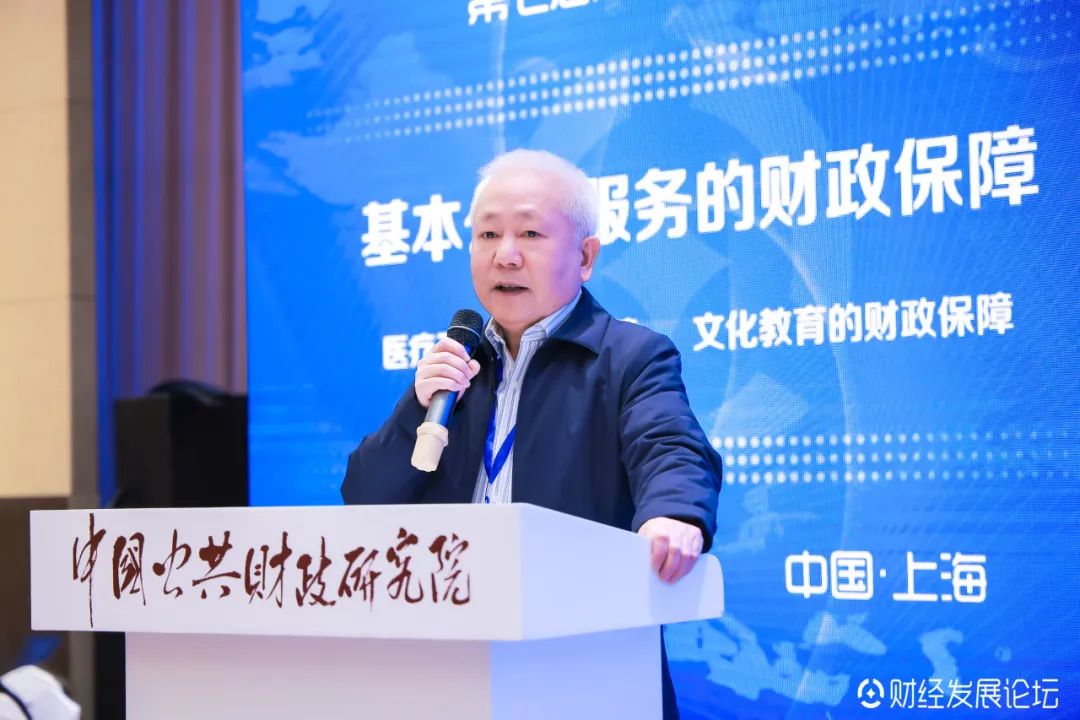
Professor Yang Canming, the President of Zhongnan University of Economics and Law, made a keynote speech entitled “Basic Public Services and Fourth Distribution”. Professor Yang introduced the distribution issue from the family culture of Chinese civilization since ancient times, the grassroot governance has long been mainly relying on the power of family and clan in history, which solved many basic public service issues. As for the current discussion on distribution, it mainly includes the primary distribution dominated by market, the redistribution dominated by the power of government, and the third distribution based on the power of morality. But in Professor Yang’s view, there is still the fourth distribution in Chinese society, which is the property transfer based on bloodline and kinship. The proposal of the fourth distribution notion will help further improvement of China’s income distribution system, and have great theoretical significance.
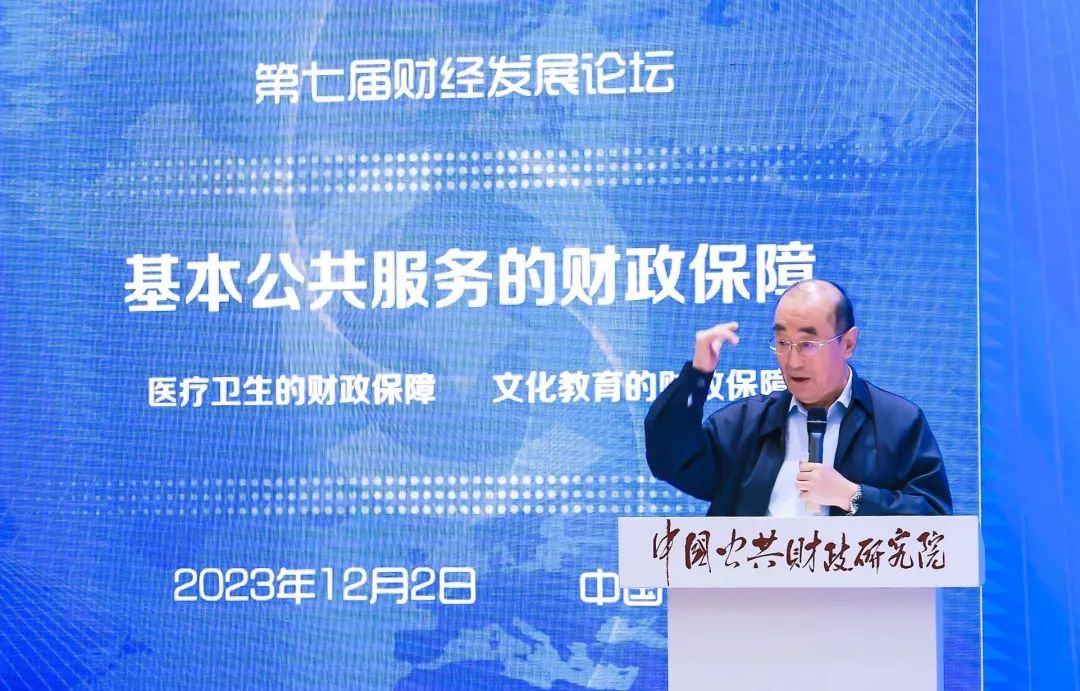
Lastly, Former Director Gao Qiang of The Budget Working Committee of the Standing Committee of the National People's Congress shared his view on the opinions and suggestions made by the four keynote speakers before. Regarding the current development situation of financial transfer payments in China, Director Gao believed that there are mainly problems including the excessively large scale of financial transfer payments, relatively slow disbursement progress of transfer payments, and less-than-reasonable structure of transfer payments, and he hoped to further research and analyze these issues with the attending experts and scholars, and propose feasible and effective improvement schemes. Regarding the medical insurance system, Director Gao believed that it’s necessary to make key research and further specify the duties and purposes of medical insurance, the directions of expenditure and reimbursement catalogue should be based on the principle that the revenue of medical insurance belongs to the people, so we should sufficiently listen to the opinions of the people, the mutualism feature of medical insurance should be emphasized, the key should be put on guaranteeing major diseases and urgent demands. Regarding the aging population issue, Director Gao indicated that we should correctly treat the development trend of declining birth rate and aging of population, we shouldn’t try to reverse the trend, more importantly we should find solutions to actively respond to and solve the problems brought by aging population. Lastly, Directly shared his view primarily on the topic of fiscal investment and fiscal policy. He pointed out that fiscal investment is the base, and fiscal policy is the direction. Without certain fiscal investment, fiscal policy will be like water without source and unable to paly its role; while without scientific and effective fiscal policy, fiscal investment may have the problem of blind investment and low efficiency. Taking the medical and health field for an example, since the new round of medical reform, Chinese Government has extensively increased the fiscal investment to the medical and health field, however, the expenditure policy was not scientific enough, the expenditure structure was not reasonable enough, the effect of expenditure didn’t meet expectations, the satisfaction of the people was not high. Therefore, Director Gao suggested that we should pay more attention to the policy orientation and arrangement of fiscal investment in future researches, and propose more effective opinions for the purpose of policy reference.
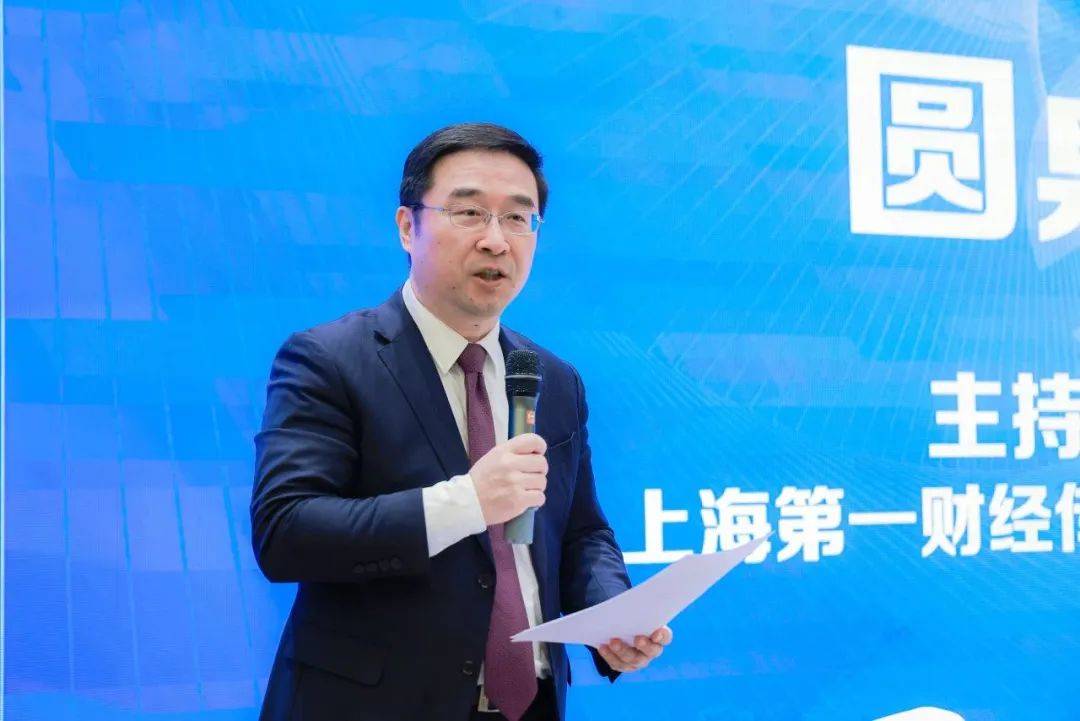
The forum in the afternoon was hosted by Mr. Chen Sijie, the CEO of Shanghai China Business News Media Co., Ltd., over a dozen of experts and scholars made great speeches and discussions over the two topics of “Financial Security of Medical Health” and “Financial Security of Culture and Education”.
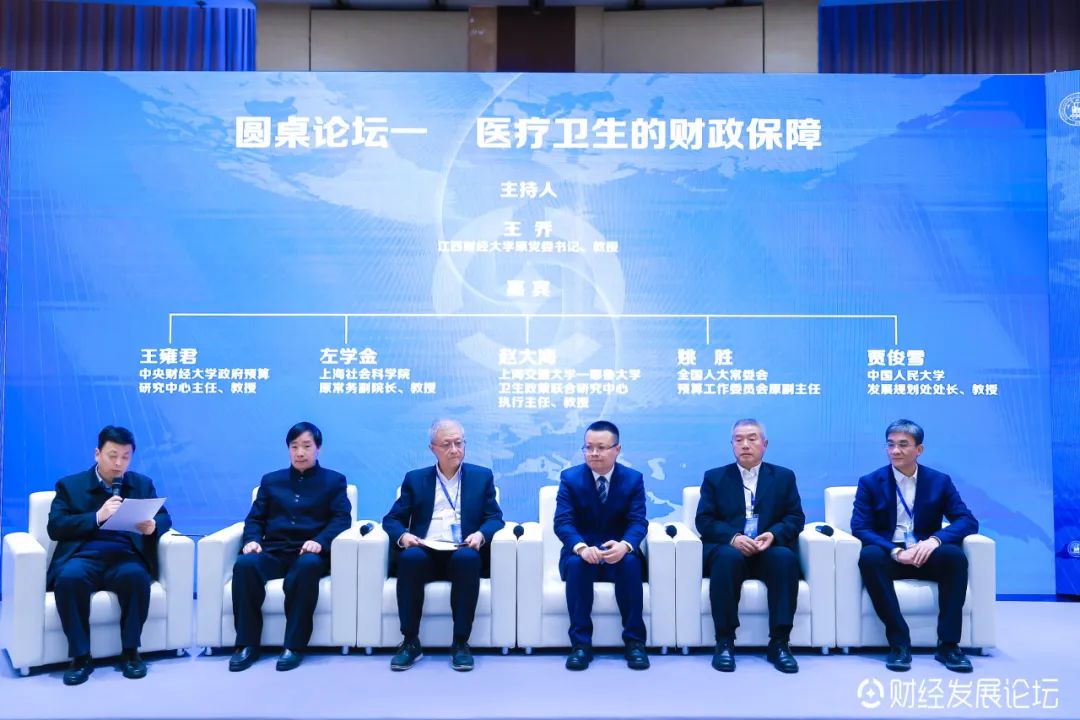
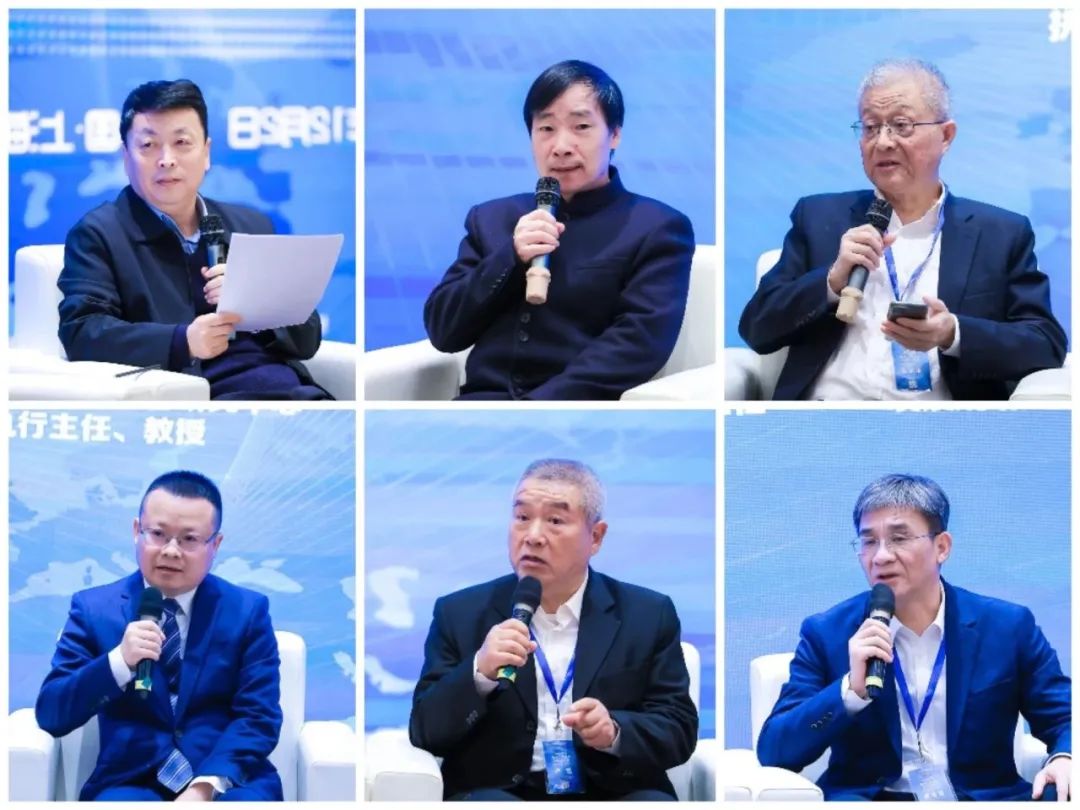
The Roundtable Forum of “Financial Security of Medical Health” was hosted by Professor Wang Qiao, Former Party Secretary of Jiangxi University of Finance and Economics. Professor Wang Yongjun, Director of the Government Budget Center of Central University of Finance and Economics, expressed his viewpoint mainly from the value leading role of fiscal investment, he pointed out that the field of medical health is an important issue that directly relates to people’s livelihood, and how it is arranged in fiscal funds reflects value leading. Medical and health service shouldn’t be an ordinary commodity, but a type of national welfare, citizen benefits and rights, the related fiscal policies should be based on the theory of distribution justice of demands, medical and health service should be distributed based on needs. Professor Zuo Xuejin, Former Executive Director of Shanghai Academy of Social Sciences, shared three viewpoints over the forum topics, firstly, we need to increase the fiscal investments to people’s livelihood and basic public services; secondly, the main driving force of economic growth in the future will be technological advancement and innovation, the fundamental source of which is the accumulation of human resources, therefore we need to make further investment in the education and medical fields; thirdly, in the medical and health field, we need to increase the powers and authorities of the Central Government. Professor Zhao Dahai, Executive Director of the Shanghai Jiao Tong University-Yale University Health Policy Joint Research Center made a speech surrounding the scientific basis of fiscal investment to the medical and health field. He pointed out that Chinese Government has been continuously increasing the fiscal investments to the medical and health field, however, there are also problems including waste and illegal use of medical funds, in certain regions, the basis of government fiscal investment has been very vague, in the future, we should re-calculate the basis of fiscal investment to institutions such as public hospitals. Mr. Yao Sheng, Former Deputy Director of the Budget Working Committee of the Standing Committee of the National People's Congress, believed that to address the current problems, we need to firstly understand the overall situation of the medical health field and fiscal institution. The growth of fiscal revenue will also continuously expand along with the expanding scope of fiscal expenditure, in the future, we need to start more from the aspects of optimizing structure and regulating management, so as to enable fiscal investment to better guarantee the medical health field. Professor Jia Junxue, Director of the Development Planning Department of Renmin University of China, made the last speech and shared his own views from both theoretical and realistic perspectives. He believed that in theory, fiscal expenditure in the medical and health field highly regards reaching consensus among all important parties, but it’s still very complicated in specific operation in reality, what we should think about is how to do better under the condition of limited fiscal resources. Regarding this issue, Professor Jia believed that we should pay more attention to the institutional optimization rather than only caring about the scale of fiscal investment. Lastly, Professor Wang Qiao made conclusion of the discussions at the first Roundtable Forum.
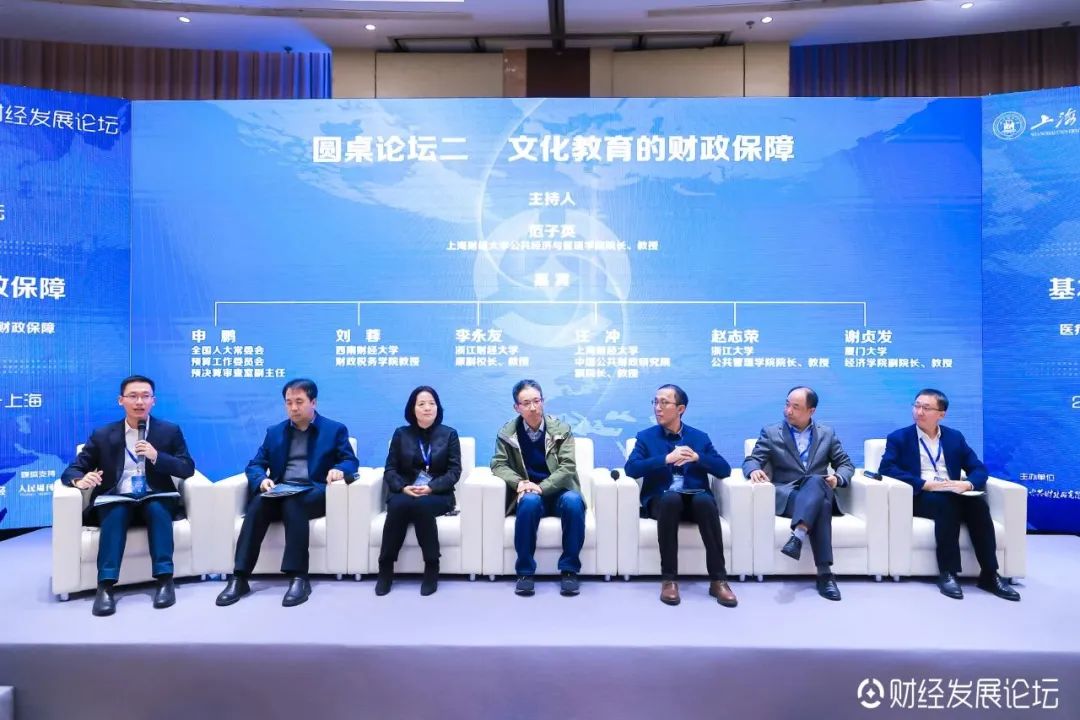
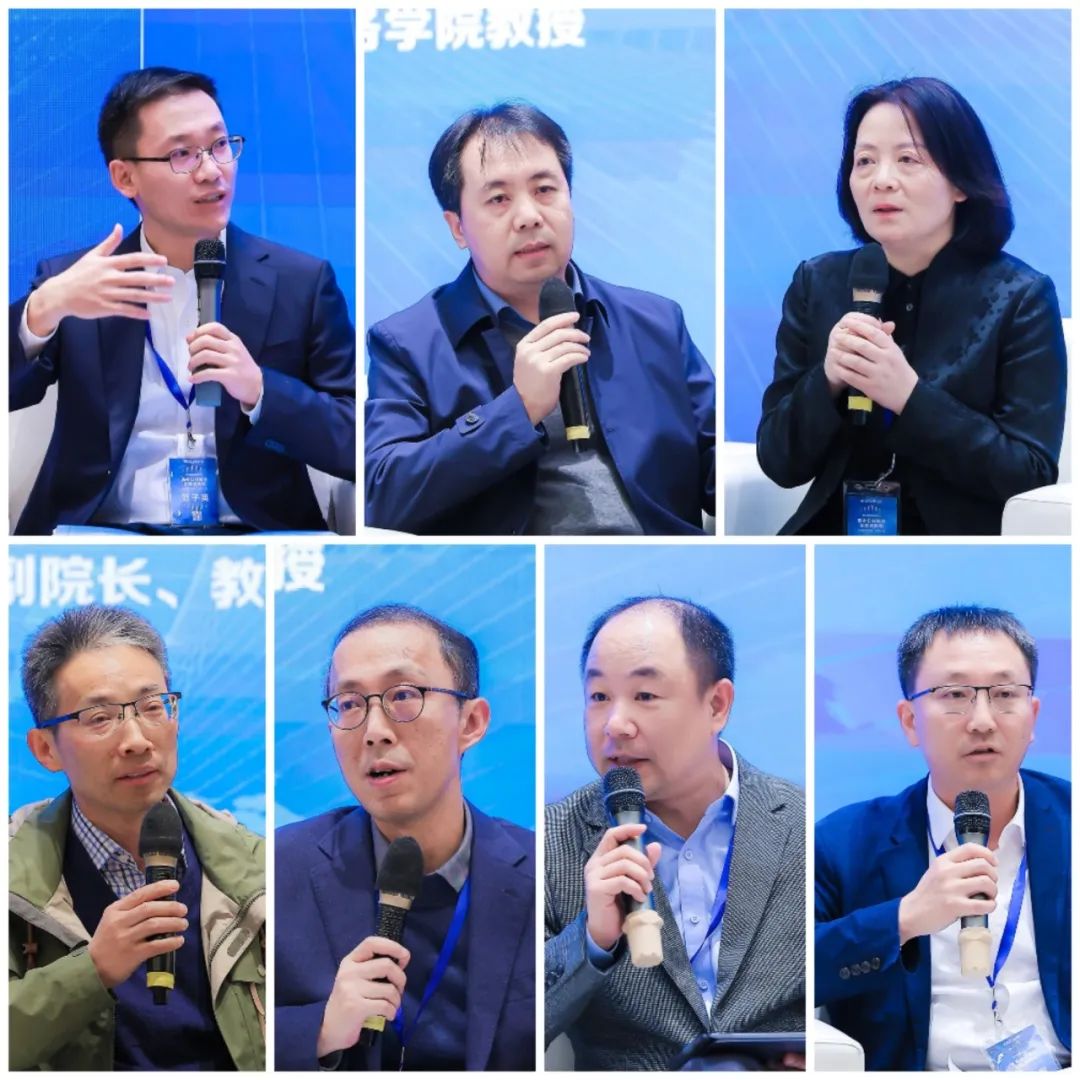
The Roundtable Forum of “Financial Security of Culture and Education” was hosted by Professor Fan Ziying, Director of the School of Public Economics and Management, Shanghai University of Finance and Economics. Mr. Shen Peng, Deputy Director of the Budget and Financial Account Review Office of the Budget Working Committee of the Standing Committee of the National People's Congress, expressed his views on the issue of expenditure responsibility of the central government finance authority in the field of culture and education, he indicated that we should comprehensively consider the cost and benefit for the Central Government to assume the related powers. In the past five years, nearly Two Trillion Yuan of funds have been invested to cultural courses nationwide, which played important role in the aspect of cultural infrastructure. The size of funds invested to culture has been massive, but there’s problem in division of powers, which needs to be further improved. Professor Liu Rong from the School of Finance and Taxation, Southwest University of Finance and Economics believed that enhancement of public service level concerns common prosperity, so it’s a very important issue. Discussion over this issue needs to integrate the current background of tight fiscal balance, and should primarily guarantee the basic public services. Professor Li Yongyou, Former Vice President of Zhejiang University of Finance and Economics, indicated that an important issue is that we should get the order of fiscal expenditure straight, as for the culture and education field, we need to put education first and culture later. Professor Wang Chong, Deputy Director of the China Institute of Public Finance, Shanghai University of Finance and Economics, believed that in the aspect of fiscal security, the transformation from basic balance goal to high-quality balance goal has even higher requirements on fiscal security, we need to establish citizen account of basic public services, and establish the direct funding mechanism. Professor Zhao Zhirong, Director of the School of Public Administration, Zhejiang University, expressed his viewpoints from three perspectives, namely the funding source, expenditure structure and fiscal benefits of the education and culture field, education and culture are key factors to the high-quality life of citizens, we need to increase the attentions to related issues. Professor Xie Zhenfa, Deputy Director of the School of Economics, Xiamen University, made a speech surrounding the requirements on basic public services in the era of digitalization, he believed that we need to pay attention to the issue of fiscal performance reform, and realize scientific evaluation and feedback-based optimization. Lastly, Professor Fan Ziying concluded the speeches made by the experts and scholars. He indicated that in the education field, China’s current fiscal situation has basically realized the equalization of basic public services, but there are still relatively big differences among regions, later Professor Fan made further interaction and discussion with the experts and scholars who made speeches.
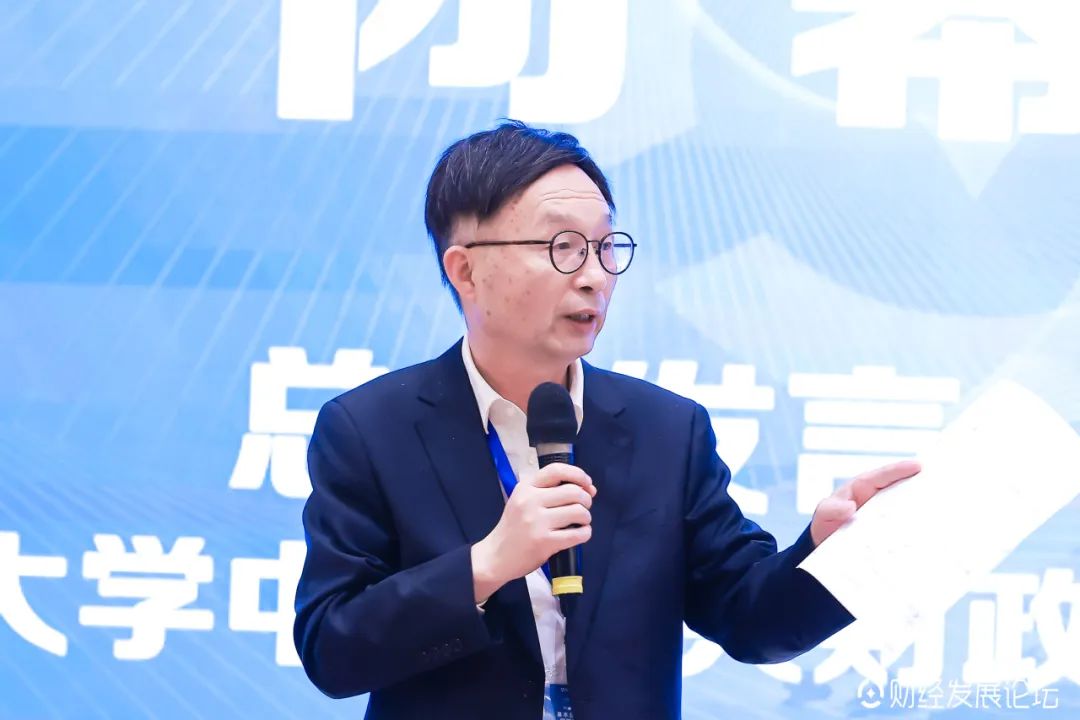
Lastly, Professor Liu Xiaochuan, Executive Director of the China Institute of Public Finance, Shanghai University of Finance and Economics, made conclusion of this forum. Professor Liu thanked the attending leaders, scholars and media friends again for their participation in this event. He indicated that the experts and scholars who made speeches have made thorough exchanges and discussion surrounding the topics of the forum and from the three perspectives of government vs market, total volume vs structure and equality vs efficiency respectively, collided into many sparkles of thoughts, and he hoped that we could continue to pay attention to the issue of basic public services in the future, optimize the structure of basic public services under the background of new normal of economic development, and enhance the level of basic public services.
 TEL:021-65908960
 ADDR:上海市杨浦区武川路111号(200433)